You passed the filter. You're one of the selected.
I mean that literally. Some of you bought the book. That's not nothing — it's a signal. And I want to talk about what it signaled, because it surprised me more than the sales did.
But first, a detour into what's broken.
What the Algorithm Actually Rewards
Somewhere in the last few years, the media — and almost everything the algorithm chooses to promote — got badly distorted. The feed doesn't reward what's true. It rewards what pulls. I watched this happen on my own accounts: post a photo of a sandwich and the engagement comes. Post something that actually came from me, something I'd worked on, and it disappears. Not unpopular — invisible. At some point I looked at that and thought, fuck this, this isn't the game I want to play.
So I stopped playing it the way I used to. I didn't burn the accounts down — I don't trust extremes — I just narrowed the door. I decided I only wanted contact with people I actually had something in common with.
What's on the Other Side of That Decision
Here's what I found on the other side of that decision.
Not a crowd. Small clusters of people — but extraordinarily well-matched. And it turns out that's worth far more than reach. A hundred readers who actually read gave me more real feedback, more signal, than thousands of followers ever did.
I'll be honest about something, because this letter isn't the place to perform: most days, in the physical space around me, I don't have many people to talk to about the things that actually interest me. Depth is rare, and it doesn't track with proximity. The people closest to me geographically aren't always the people closest to me in how they think. Reading something true is itself a kind of meeting — sometimes a closer one than sharing a room.
That's the whole idea behind Beyond Noise. The feed is the noise. You — the people who read, who reply, who chose to be here — you're the signal.
Which brings me back to the book.
What the Book Actually Did
Asymmetric Decisions was never the end of something. It was the beginning. I didn't write it to sell a product; I wrote it and discovered it sorted people. The writing — and yes, even the ads — caught the most interesting people I've come across in a long time. People I would almost certainly never have met in my day-to-day. The book didn't just find buyers. It found like-minded people, which is a far rarer thing.
To be clear: this isn't contempt for everyone else. I don't look down on the people who didn't read it. Most of my contacts are good people. They're just useful connections — not the same as the ones where something actually clicks. Like-minded is rare. That's the only claim I'm making.
If You Haven't Read It Yet
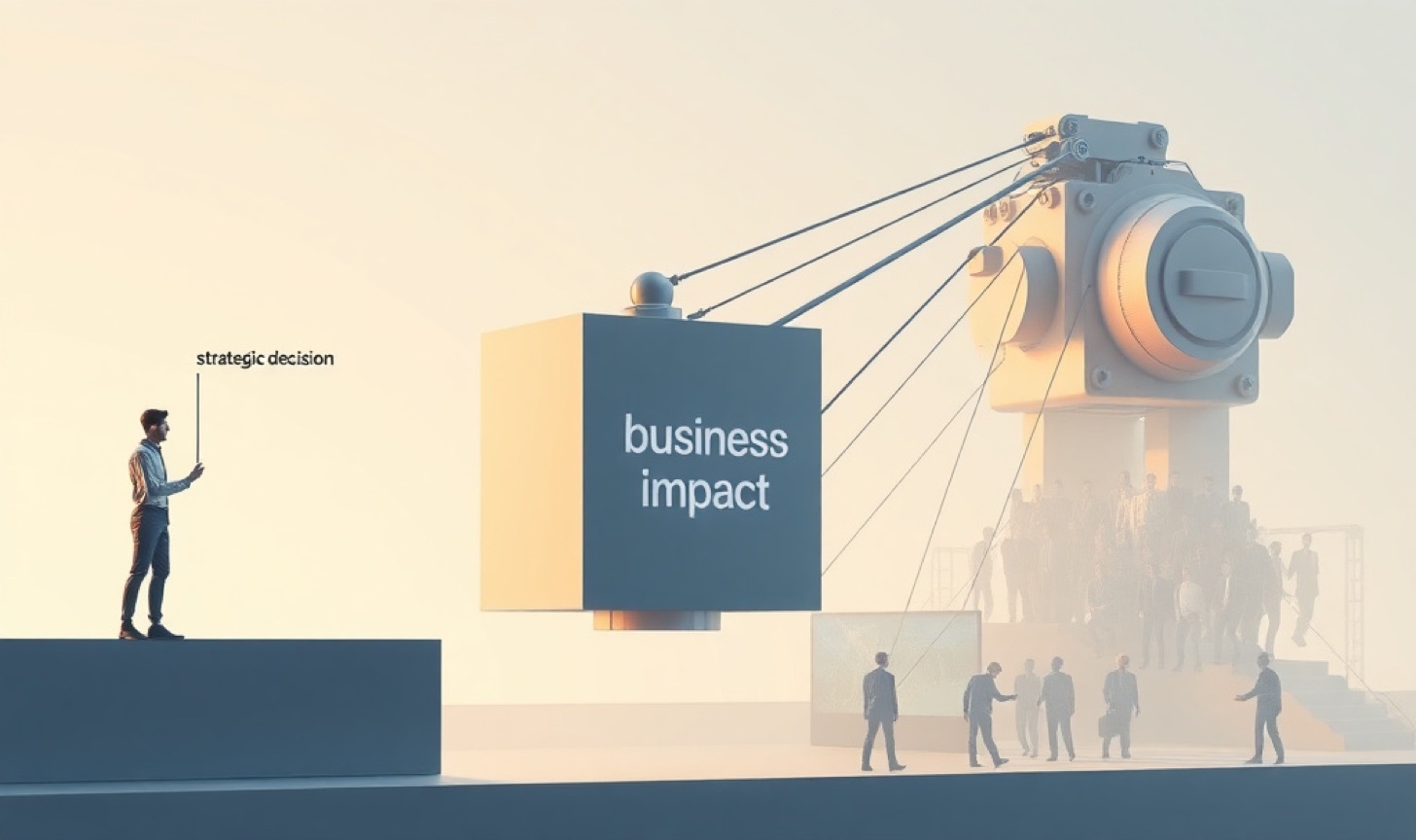
Asymmetric Decisions is about one move — choosing well — instead of a thousand small tasks. It's a filter for the decisions that actually carry weight: how to separate signal from noise, how to recognize the few choices that compound, and how to stop drowning the important ones under everything that merely feels urgent. One decision, not a thousand tasks.
If that sounds like your kind of thing, the door's open.
If You Have Read It
Thank you. Genuinely. I didn't expect people to buy it on day one, and I didn't expect it to land the way it did. You're the reason this is the start of something rather than just a launch.
And I'm curious — actually curious, not as a content prompt: what did the book mean to you? What stayed with you, what you'd push back on, what it changed, if anything. Reply to this. I read everything.
That's the point of all of it, really. Fewer people, better matched. A few people I can actually talk to.